Skip to content

Biography

Soldier, survivor, military leader and humanitarian.

Bjørn Egge (1918–2007) belonged to a generation transformed by the Second World War. His public life connected central chapters of modern Norwegian history: the campaign of 1940, resistance and captivity, the post-war armed forces, the Cold War and international humanitarian work.

War and captivity

Egge was a cadet when Germany invaded Norway in 1940 and took part in the campaign. After resistance work, the Gestapo arrested and released him in 1941. He was captured in 1942 when the Kvarstad ships tried to reach Britain. He later endured about 18 months as a Nacht und Nebel prisoner in Sonnenburg before being transferred to Sachsenhausen. These experiences shaped his lifelong defence of democracy, human dignity and international law.

A career in the Armed Forces

After the war, Egge built a long career in the Norwegian Army. His work included intelligence, international and NATO-related assignments, and senior command. He was appointed major general in 1980 and served as Commandant of Akershus Fortress.

Humanitarian leadership

From 1981 to 1987, Egge served as president of the Norwegian Red Cross. He became a prominent advocate for the laws of war, reconciliation, veterans and fundamental human rights.

His story is not only a military biography. It is the story of how personal experience of war became a commitment to peace.

Continue to the timeline or examine the original award documents.
Expert witness in the Treholt case

NRK lists Major General Bjørn Egge among the experts appointed at the start of Arne Treholt’s trial on 25 February 1985. Aftenposten’s audio archive includes day 33, part 1 (16 April 1985); the family points to 23:38 for Egge’s account. The exact wording at that time has not been independently transcribed here.

NRK case overview · Aftenposten audio archive

From the family archive

Historical photographs

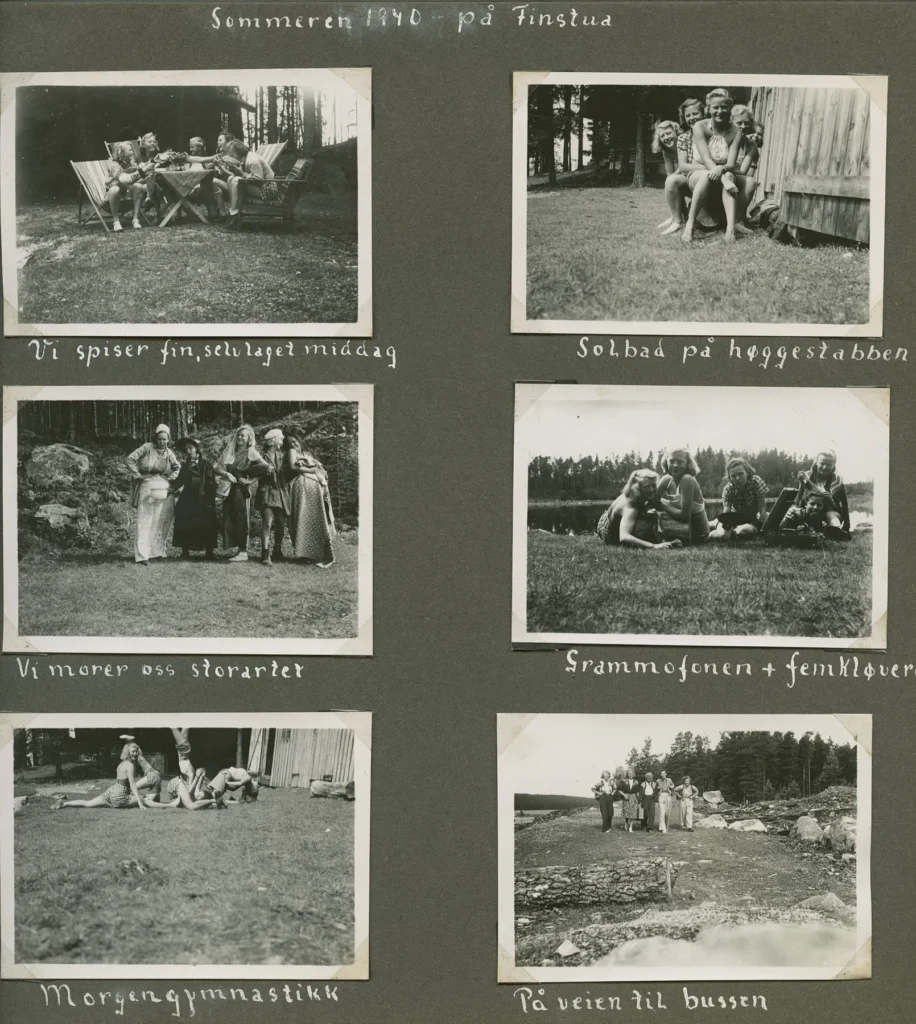
Family album from the summer of 1940. From the Bjørn Egge Family Archive.
Summer 1940Family album from the summer of 1940. From the Bjørn Egge Family Archive.
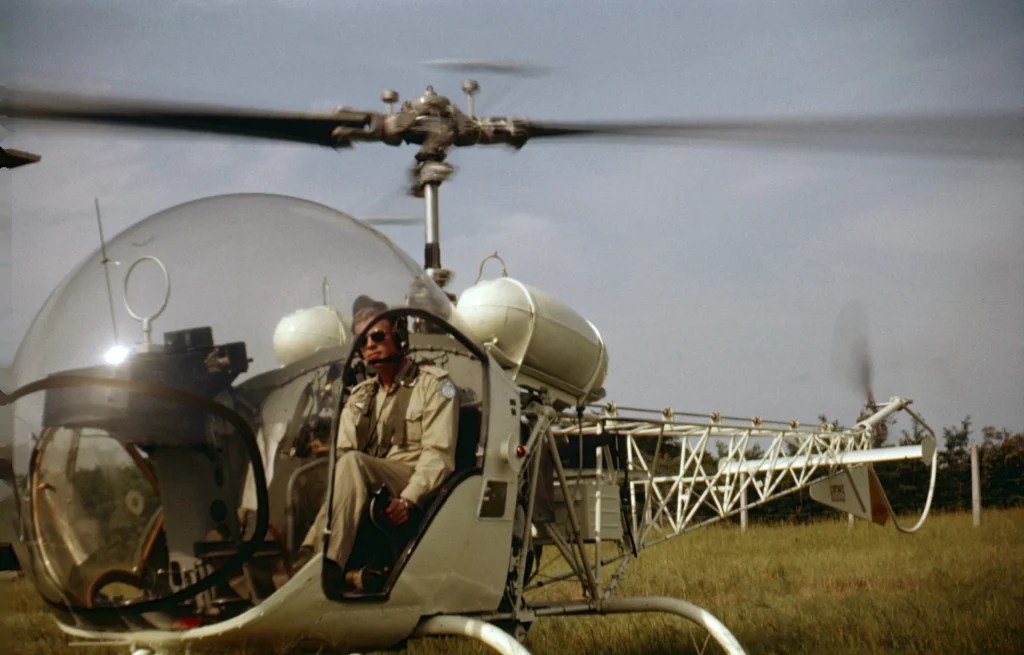
Helicopter in Congo, 1961. From the Bjørn Egge Family Archive.
Congo, 1961Helicopter in Congo, 1961. From the Bjørn Egge Family Archive.
About analytics and privacy

With your consent, the Bjørn Egge project uses Google Analytics 4 to measure page visits and outgoing clicks. We use aggregate statistics to improve the website and understand which parts of Bjørn Egge's story visitors use. Google processes browser information, page addresses and click events. Click statistics may include the destination domain and link address. Form responses are not included in this measurement. We do not ask for analytics consent again until your choice expires or you change it. Your choice is stored in bbm_statistics for up to 180 days. Analytics cookies whose names begin with _ga are set only after consent and are configured to last up to 180 days. Declining prevents analytics from loading; withdrawing consent stops sending data and reloads the page. You can change your choice through “Change analytics preferences” at the bottom of every page. This choice applies to Google Analytics. Data already sent is not automatically erased when consent is withdrawn; contact us about your rights and deletion.

How Google uses information from sites